
Aloe vera grows in gardens and on pavements across South Africa, which is exactly why people underestimate it. A plant that common cannot be doing much. In skincare, the opposite is true: aloe is one of the few traditional remedies that has earned a permanent place in modern formulations.
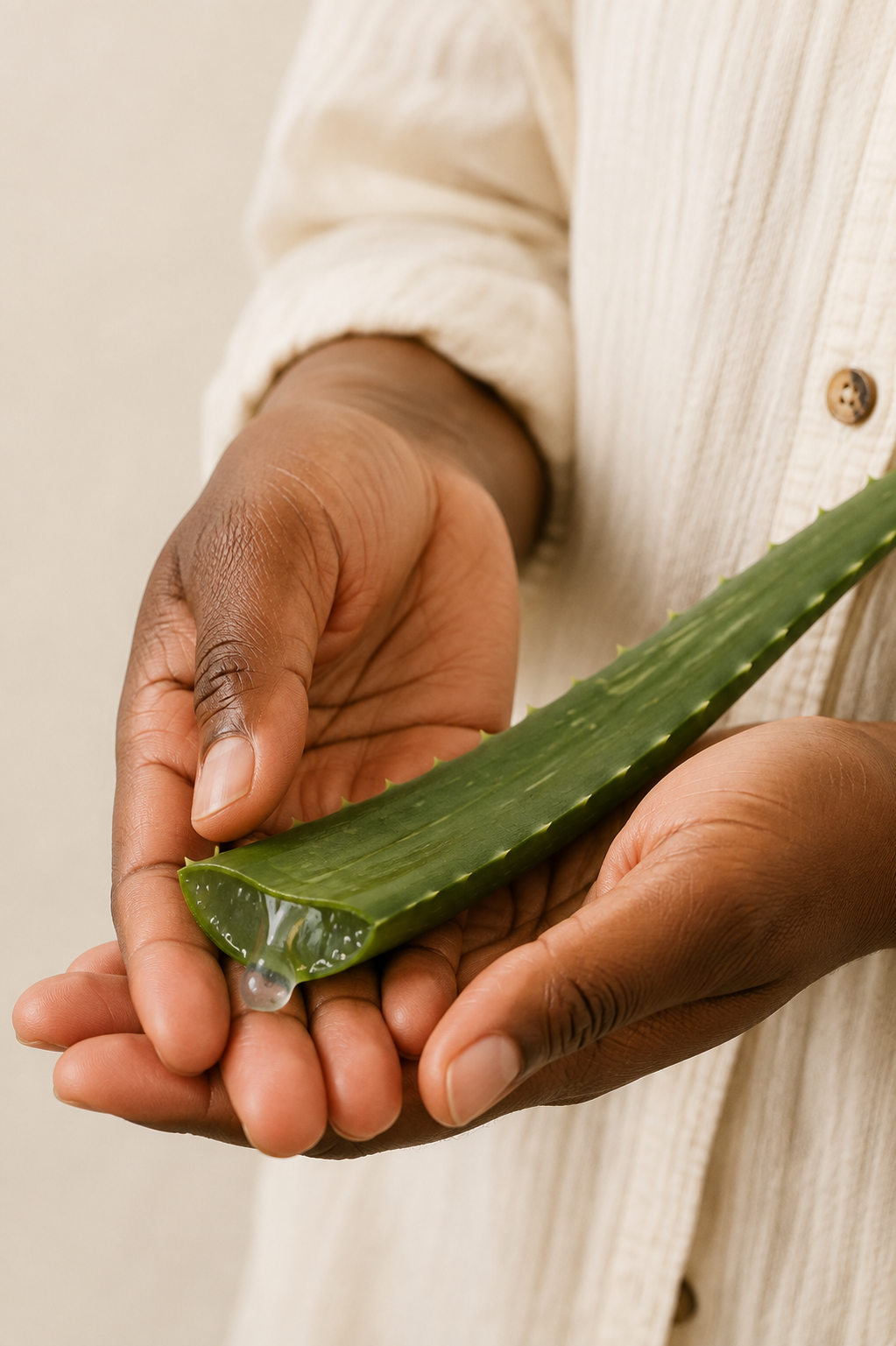
Cut an aloe leaf and you get two very different substances. Just under the skin of the leaf there is a bitter yellow sap called latex. Deeper in, filling the middle of the leaf, there is the clear gel.
The gel is the part used in skincare. It is mostly water, with polysaccharides, amino acids, vitamins and minerals carried in it. The yellow latex is a strong irritant and is not something you want on your face, which is one good reason to use a properly processed product rather than a leaf off the wall.
This is aloe’s best-known job, and the reason it has been reached for after sunburn for generations. It cools, it reduces the feeling of tightness, and it does not sting on already-sore skin.
Aloe is largely water held in a gel structure, so it delivers moisture without an oily film. For skin that is oily and dehydrated at the same time, which is very common on the Highveld, that combination is hard to beat.
Aloe is widely used on minor burns, grazes and irritation because it keeps the area moist and comfortable while the skin does its own repair work. Keeping healing skin comfortable also means less scratching and picking, which is half the battle with marks.
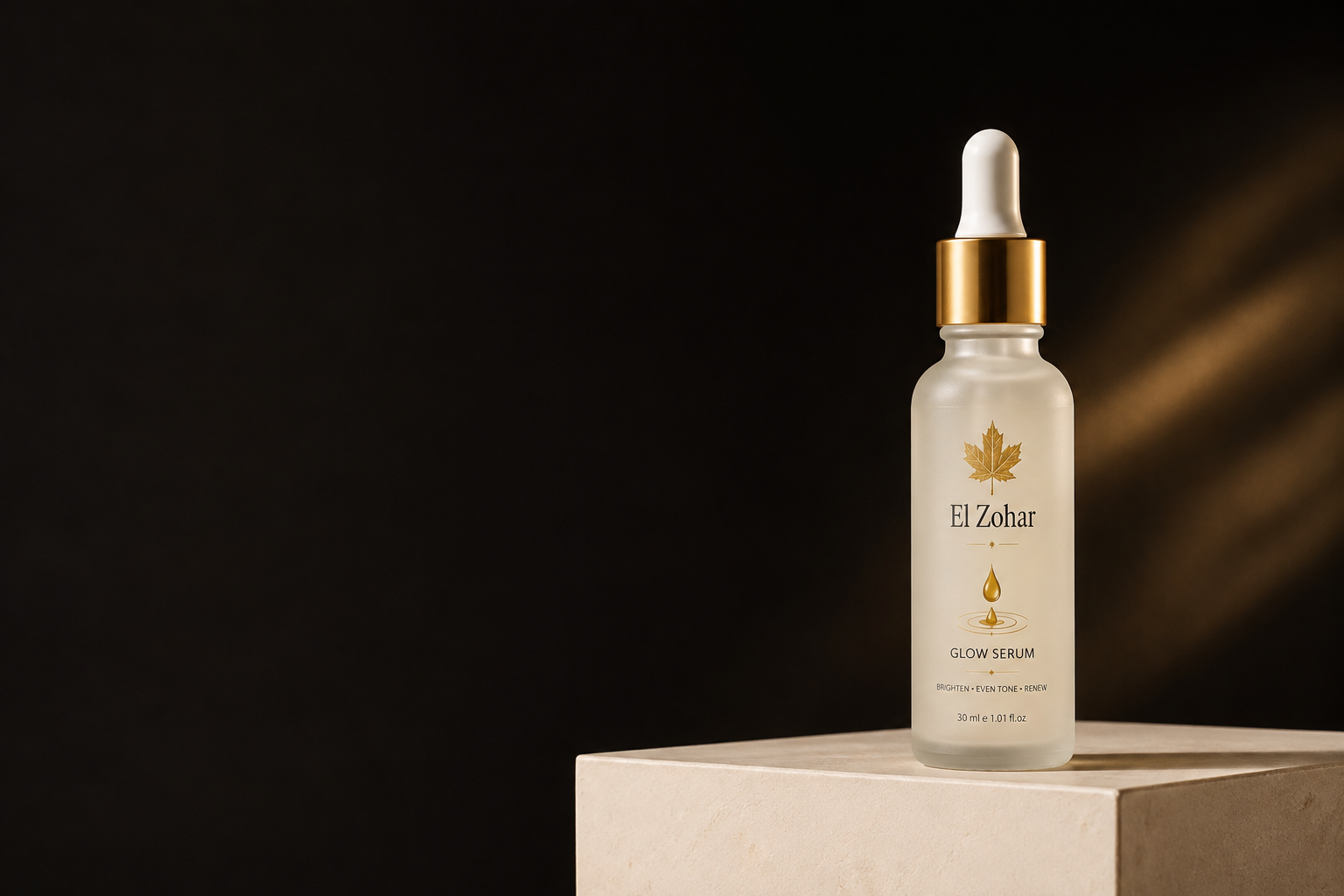
Aloe is a good base. It carries actives without fighting them, which is why our Glow Serum uses an aloe base under niacinamide and hyaluronic acid rather than a heavy oil.
Being honest about this matters more than another benefit bullet. Aloe is not a sunscreen, it will not remove a scar, it will not lighten your natural skin tone, and it will not clear acne on its own. Any product promising those things is selling you a story.
Aloe is just as useful below the neck, where skin gets far less attention. After shaving, after a long day in the sun, or on the dry patches on shins and elbows that arrive every winter. Our Aloe Body Wash and Aloe Vera Bar Soap are built for that, so cleansing does not strip what the rest of your routine is trying to put back.
Our Aloe Vera Gel is 100 percent aloe in a 100ml tube. There is nothing clever about it, and that is the point. It is the product we recommend when someone’s skin is irritated, over-treated or reacting to something new: strip everything back, use aloe for a week, and see what the skin looks like when it is left alone.
Aloe is not a miracle and it was never meant to be. It is a calm, hydrating, well-tolerated base that makes the rest of a routine easier to stick to, and sticking to a routine is what actually changes skin.
See the full aloe range, or read our frequently asked questions.