

If you have ever watched a pimple heal and leave a mark that stays for months, you already know the most common skin complaint on deeper skin tones. The spot itself is gone. The shadow it left behind is not.
Melanin is pigment, and pigment is protection. Skin with more melanin defends itself well against the sun, but it also responds strongly to anything that irritates it. When skin is injured, whether by a breakout, a shaving nick, an insect bite or a harsh product, it can produce extra pigment while it repairs. That extra pigment settles into the healed skin and reads as a dark spot.
The clinical name for this is post-inflammatory hyperpigmentation. In plain terms: the mark is not the damage, it is the record of the damage.
Squeezing a pimple spreads the inflammation wider than the pimple was. A spot that would have faded in weeks can turn into a mark that lasts months.
South African ultraviolet levels are high all year. Winter in Johannesburg is cold and still very bright. Sun does not usually create a new spot on its own, but it darkens the ones already there and keeps them from fading.
Strong scrubs, high-strength acids and bleaching creams often make the problem worse. They irritate the skin, and irritation is exactly the trigger that produces more pigment.
Ingrown hairs on the jaw, neck and legs are one of the most under-recognised causes of dark marks, especially for men.
There is no honest overnight answer. Pigment sits in the skin and leaves at the speed the skin renews itself, which is measured in weeks and months, not days. What you can control is whether it is fading or being topped up.
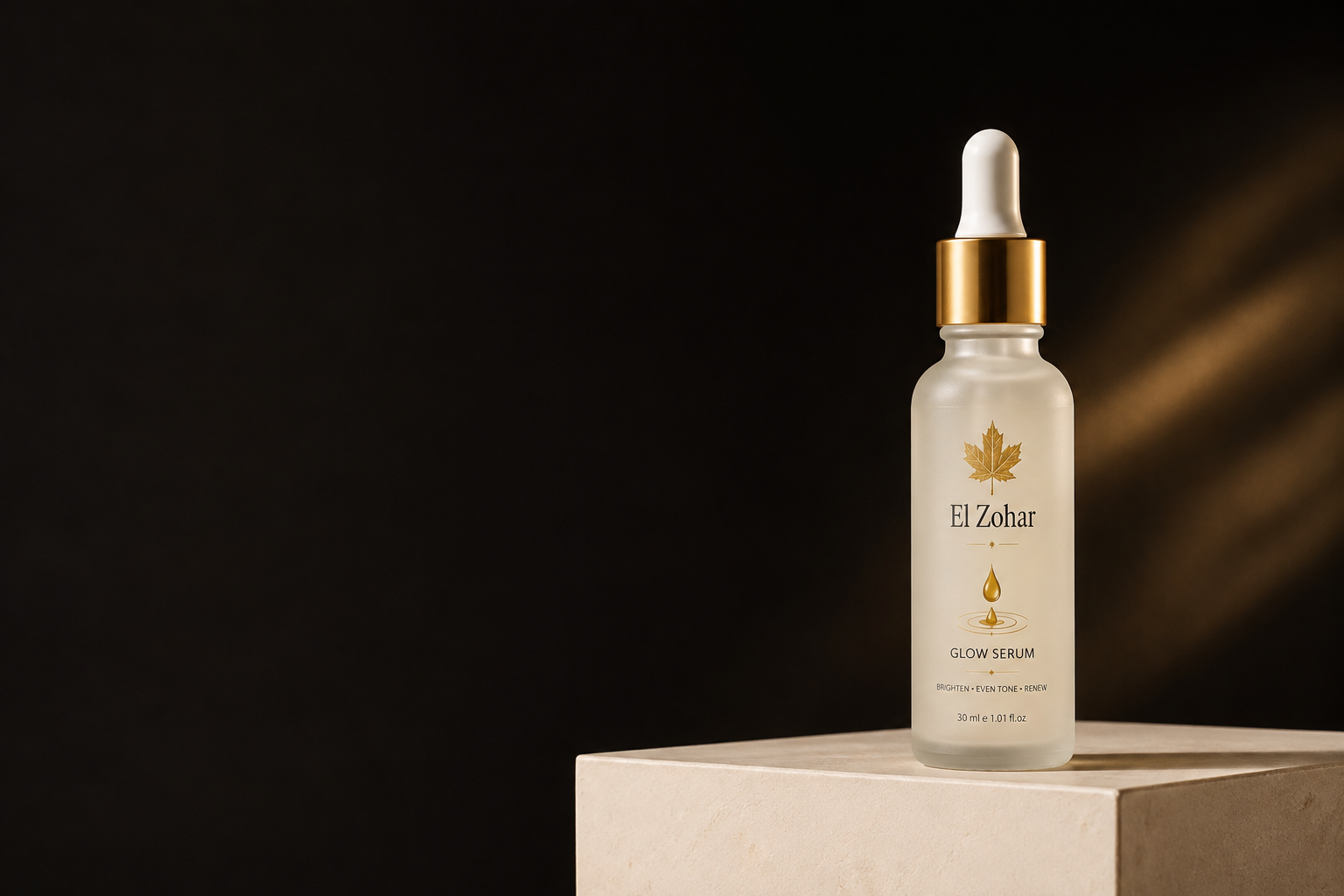
Our Dark Spots Serum is a 30ml aloe-led serum built for exactly this concern, and it is designed to be gentle enough to use daily, which is the only way pigment work succeeds. If your skin is also dry or dull, the Glow Serum pairs aloe with niacinamide and hyaluronic acid to brighten and hydrate at the same time.
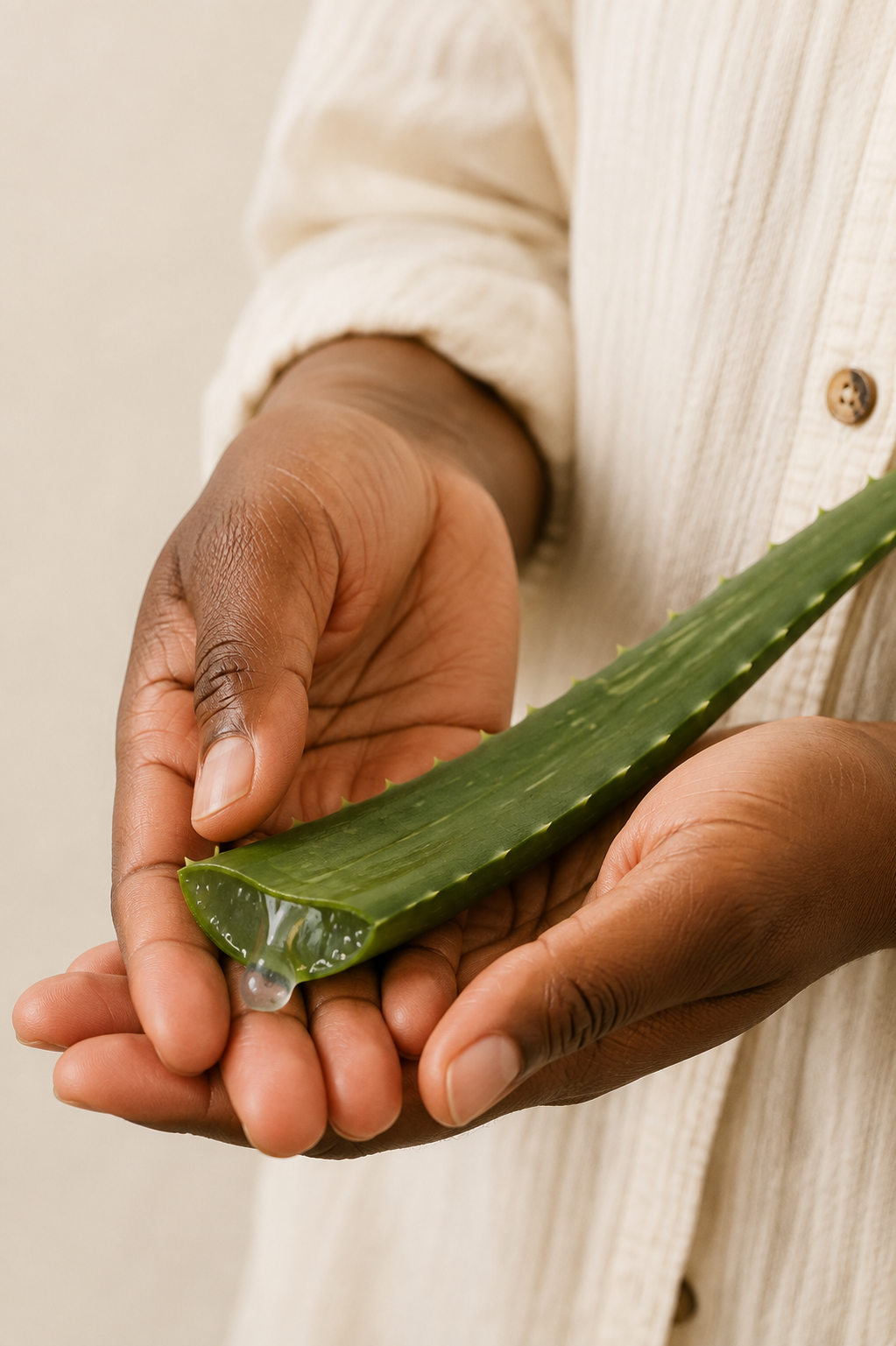
For skin that is currently irritated, start with nothing more than Aloe Vera Gel and give it a week to settle before adding anything active.
See a doctor or dermatologist if a dark patch is spreading, changing shape, itching, bleeding, or if it appeared without an obvious cause. Melasma and pigment changes linked to medication are also worth a professional opinion rather than a shelf product. Nothing in this article is medical advice.
Dark spots on deeper skin tones are common, they are a healing response rather than a flaw, and they respond to patience far better than to strength. Protect the skin from the sun, stop irritating it, and use one gentle product every single day.
Browse the full El Zohar range, or get in touch if you are not sure where to start.